Professional Service
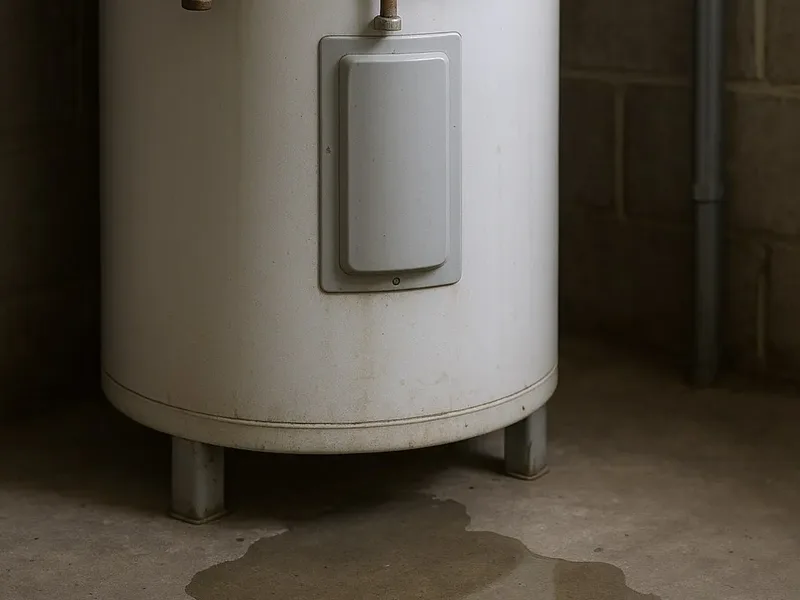
When a water heater fails — a burst tank, a spraying fitting, water pouring across your garage floor — the first minute matters more than the next hour. Knowing exactly which valves to turn and which switches to flip can be the difference between a mop-up and a major water damage claim. Every adult in your Diamond Bar home should know this procedure. It takes five minutes to learn and can save you thousands. Here is the complete emergency shutoff guide.
Step 1: Shut Off the Water Supply
Stop the water first, because water is doing the damage. Every water heater has a cold-water inlet valve on the pipe entering the top of the tank — usually a gate valve (round wheel handle) or a ball valve (lever handle). Turn a wheel handle clockwise until it stops; turn a lever handle a quarter-turn so it sits perpendicular to the pipe. This stops new water from entering the tank. If the inlet valve is stuck, corroded, or missing — common on older installations — go to your home's main water shutoff instead, usually near the front of the house, in a garage wall box, or at the meter. Every household member should know where the main shutoff is, because in a real emergency you will not have time to search. After shutting the water off, open a hot water faucet somewhere in the house to relieve pressure in the lines.
Step 2: Shut Off the Energy Source
A water heater with no water inside but still firing is dangerous — it can overheat, and on electric units the exposed elements will burn out in seconds. For a gas heater, turn the gas control knob on the front of the unit to OFF or PILOT. If you smell gas strongly, do not touch the heater — leave the area and call the gas utility from outside. For an electric heater, go to your breaker panel and switch off the dedicated water heater breaker, usually a 30-amp double-pole breaker clearly labeled. If it is not labeled, now is a good time to fix that — label it today, before you need it in a panic. Never assume the unit is safe to leave energized "just for a little while" once the water is off.
Step 3: Drain the Tank if Water Is Flowing
If water is actively pouring from the tank, draining it limits the damage. Attach a garden hose to the drain valve at the base of the tank and run it to a floor drain, driveway, or yard — anywhere the water can go safely. Open the drain valve and let the tank empty. Be careful: the water may be scalding hot. Wear shoes, keep kids and pets away, and expect the first blast to be the hottest. If the leak is a minor drip rather than a flow, you can skip draining and just place a bucket or towels — but keep an eye on it, because small leaks grow.
Step 4: Protect Your Home and Call for Help
Move valuables, boxes, and anything water-sensitive away from the wet area. If water is near electrical outlets, panels, or appliances, stay clear and consider switching off the relevant breakers. Take photos of the leak and any damage for your records — useful whether or not you file an insurance claim. Then call for professional help. Describe what you see: where the water is coming from, how fast it is flowing, and whether you have shut off water and energy. That information helps the technician arrive with the right parts.
Know Your Valves Before the Emergency
The worst time to learn your shutoff locations is during the emergency. Do this today: find the cold-water inlet valve on your heater and make sure it turns — valves that sit untouched for a decade often seize, and discovering that during a flood is miserable. If it is stuck, have it replaced or at least exercised now. Find your home's main water shutoff and confirm it works. Label the water heater breaker. Show every adult in the house. Tape a small card to the side of the heater with the three steps: water off, energy off, call for help. Five minutes of preparation eliminates panic later.
- Water: cold-water inlet valve on top of the tank (clockwise / quarter-turn), or the home's main shutoff.
- Gas: control knob to OFF or PILOT on the front of the unit.
- Electric: dedicated breaker in the panel — label it today.
- Relieve pressure: open a hot faucet after shutting the water.
- Drain if flowing: garden hose on the drain valve to a safe spot.
After the Emergency: Repair or Replace?
Once the crisis is controlled, the question becomes what failed. A burst supply line, failed fitting, or bad drain valve is a straightforward repair. A ruptured tank — water seeping from the tank body itself, especially at the base — means the heater must be replaced; no patch or sealant fixes a corroded-through tank. If your unit is past ten years old, an emergency failure is often the nudge to upgrade rather than patch. Either way, do not restore water and energy to a damaged heater and hope for the best — have it professionally assessed first.
Map Your Home's Shutoffs Before You Need Them
The worst time to learn where your shutoffs are is during an active leak. Spend twenty minutes this weekend mapping three things: the main water shutoff, the gas shutoff, and the electrical panel. In most Diamond Bar tract homes, the main water shutoff is at the meter box near the street or a gate valve where the line enters the house — often in the front yard or garage wall. The valve may be stiff from years of disuse; work it gently back and forth once to confirm it moves, and if it is frozen, have it replaced before it matters. A shutoff you cannot turn is not a shutoff.
The gas shutoff is at the meter, usually on a side exterior wall. It requires a wrench — a dedicated gas shutoff wrench zip-tied to the meter is the classic prepared-homeowner move, and it costs a few dollars. Know this critical rule: once you turn the gas off at the meter, do not turn it back on yourself. Restoring gas service requires checking every pilot and appliance in the house, which is a job for the gas utility or a professional. Water and electricity you can restore yourself; gas you cannot.
Label everything. A strip of masking tape and a marker — "MAIN WATER," "WATER HEATER COLD INLET," "GAS METER" — turns a panicked search into a thirty-second task. Show every adult and teenager in the house. In an emergency, the person home is rarely the person who mapped the valves.
Diamond Bar-Specific Shutoff Notes
Most Diamond Bar water heaters live in the garage, which actually simplifies shutoffs: the cold-water inlet valve on top of the heater is right there, usually a gate or ball valve on the pipe entering the tank. Closing that valve stops water from feeding the tank while leaving the rest of the house pressurized — the right move for a tank leak when you still need water elsewhere. If the leak is in the supply piping rather than the tank, use the main house shutoff instead.
Two local quirks to know. First, many Diamond Bar homes have the water heater tucked into a garage corner behind storage. If you have to move bicycles and boxes to reach the inlet valve, reorganize now — access you cannot reach in the dark during a leak is not access. Second, hillside homes on the city's slopes sometimes have the main shutoff in an awkward spot relative to the house; walk the line from the street meter to the house once so you know the route. Finally, if your home has a pressure-reducing valve, note its location too — it is relevant information for whoever services the system later.
After the Shutoff: What Comes Next
Once the water is stopped and the area is safe, resist the urge to immediately restore everything and hope for the best. Photograph the leak and any water damage before cleanup — wide shots and close-ups. If the tank itself is leaking from the body, it will not heal; plan for replacement, not repair. If water reached drywall, flooring, or stored belongings, start drying within the first day to limit secondary damage.
Do not restore power to an electric heater until the tank is full again, and do not relight a gas heater that has been sitting in standing water — soaked gas controls and burners need professional assessment first. Then call for service and describe what you see: where the water is coming from, whether the tank or the piping is the source, and what you have already shut off. The more precise your description, the faster the fix. A calm, mapped, labeled home turns a water heater emergency from a crisis into a manageable service call.
Water heater emergency in Diamond Bar? Water Heater Leak Repair Masters offers fast response for leaks, bursts, and flooding — call (833) 713-2101 now and we will walk you through the shutoff on the phone while help is on the way.