Professional Service
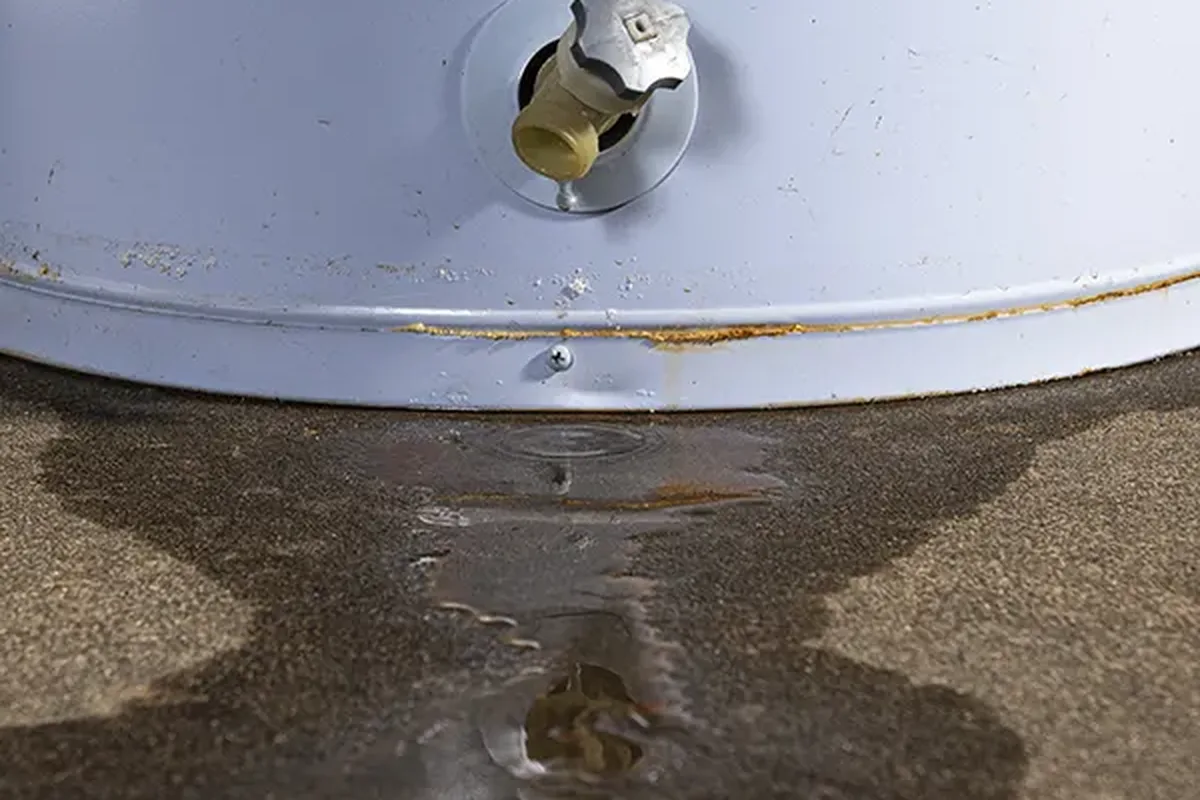
A water heater does not fail politely. It fails at 2 a.m. with forty gallons of water spreading across your garage, or on a holiday morning with a burst seam hissing steam into the laundry room. When that happens, you do not need a lecture on maintenance schedules — you need someone who answers the phone, shows up fast, and stops the water. Our emergency water heater leak repair service in Diamond Bar, CA 91765 does exactly that, around the clock. We triage your situation over the phone, talk you through shutting off the water and power to limit damage, and dispatch a technician with the parts to stabilize the leak on the spot. Whether the fix is a failed valve we can replace immediately or a ruptured tank that needs same-day water heater replacement, you will get a straight diagnosis and fast action. Call (833) 713-2101 now — day or night — and we will take it from there.
What Counts as a Water Heater Emergency
Not every water heater problem is an emergency, but several absolutely are — and knowing the difference helps you act decisively. A burst or ruptured tank is the clearest emergency: water pouring from the tank body or a split seam will not stop on its own, and every minute adds to the damage. Major flooding around the heater, water spreading toward living spaces, or water reaching electrical outlets and appliances also demands immediate response. These situations do not improve with waiting; they only get more expensive.
Gas-related symptoms are emergencies of a different kind. If you smell gas near your water heater — the distinctive rotten-egg odor of mercaptan — treat it as urgent: do not light anything, do not flip switches, ventilate if you can do so safely, and call for help immediately. A TPR valve discharging large volumes of hot water or steam continuously is another red flag, because it signals dangerous temperature or pressure inside the tank. Scalding-hot water from every tap, far beyond the thermostat setting, suggests a failed control and should be addressed before someone gets burned.
Then there is the middle ground: the steady drip from a fitting, the slow seep at the tank base, the drain valve that will not stop dripping. These are not 2 a.m. emergencies in most cases, but they are same-day priorities — small leaks become big leaks without warning, and a drip you can see is often accompanied by corrosion you cannot. Our rule of thumb for Diamond Bar homeowners: if water is actively spreading, if gas is involved, or if the leak is getting visibly worse, call now. If it is a contained drip you just discovered, call today. Either way, (833) 713-2101 reaches a live person who will help you judge the urgency honestly rather than upselling you into a panic.
What to Do Before We Arrive
The minutes before we arrive are the minutes that determine how much damage your home takes, and there are a few safe steps any homeowner can handle. First, stop the water: find the cold-water inlet valve on top of the heater — usually a lever or wheel on the pipe feeding into the tank — and turn it off. No inlet water means no new water feeding the leak. If you cannot find or reach that valve, shutting off the home's main water valve works just as well. Second, cut the energy: for a gas heater, turn the gas control valve to the pilot or off position; for an electric heater, switch off the dedicated breaker in your panel. Never touch electrical components while standing in water — if the area around an electric heater is flooded, leave the breaker alone and wait for us.
Safe steps to take right now
- Shut off the cold-water inlet valve at the top of the heater, or the home's main water valve
- Turn the gas control to pilot or off; switch off the electric heater's breaker
- Contain spreading water with towels, and move valuables out of the path
- If safe, attach a hose to the drain valve and direct water to a floor drain or outside
- Do not touch electrical parts while standing in water
- If you smell gas, leave the area and call from a safe distance
Containing the water is the next priority: towels and buckets buy time, and moving boxes, electronics, and anything valuable out of the water's path takes seconds and saves real money. If the leak is severe and you can safely attach a garden hose to the drain valve, draining the tank to a floor drain or outside reduces the reservoir feeding the flood. Take a quick photo of the leak and where the water is coming from — it helps us arrive with the right parts. Then call (833) 713-2101 if you have not already. We will confirm what you have done, add anything you missed, and dispatch help while you wait.
Our Emergency Response: What Happens When You Call
When you call our emergency line, the first thing we do is listen. We will ask where the water is coming from, how fast it is spreading, whether gas or electricity is involved, and what you have already shut off. That sixty-second triage tells us what parts and equipment to load and whether we need to talk you through additional shutoff steps before we roll. You will get an honest arrival window — not a vague promise — and we will stay in contact if anything changes. Emergency calls go to the front of the schedule, day or night, because a flooding water heater cannot wait behind a routine maintenance visit.
On arrival, we move fast but in the right order: confirm the water and energy are off, assess the leak source, and stabilize the situation. If a valve, fitting, TPR valve, or connection is the culprit, we repair it on the spot — our trucks carry the common failure parts for exactly this reason. If the tank body itself has failed, we will tell you plainly that patching is not a safe option and lay out same-day water heater replacement choices, including getting you a working heater installed as quickly as possible. There is no pressure and no jargon: just what is wrong, what it takes to fix it, and what it costs before we begin.
After the immediate crisis is handled, we do not just pack up and leave you with a working heater and a wet floor. We check the surrounding area for the conditions that caused the failure — water pressure, thermal expansion, sediment, anode rod condition — and tell you what, if anything, should change to prevent a repeat. Many emergency calls in Diamond Bar trace back to preventable causes: unchecked pressure, a long-dead anode rod, or a heater years past its service life. Fixing the leak stops today's flood; addressing the cause protects you from the next one. That follow-through is what separates an emergency patch from genuine emergency water heater leak repair.
After the Emergency: Preventing the Next One
The best emergency is the one that never happens, and most water heater floods give plenty of warning to anyone who knows what to look for. The single highest-value preventive step is a drain pan with a proper drain line under the heater — a pan will not stop a burst tank, but it catches the slow seeps and fitting drips that precede most catastrophic failures, buying you days or weeks of warning instead of a surprise flood. A simple battery-powered water alarm sitting in that pan costs little and screams loudly the moment water touches it. For heaters in interior closets or above finished spaces, this combination is cheap protection against five-figure water damage.
Beyond containment, prevention means maintenance aimed at the actual failure modes. Annual flushing keeps sediment from insulating the tank bottom and creating the hot spots that stress steel. Checking the anode rod every few years keeps internal corrosion from silently thinning the tank walls. Verifying household water pressure — and installing an expansion tank where a pressure-reducing valve creates a closed system — prevents the pressure spikes that split seams and blow TPR valves. None of this is exotic; it is the standard water heater leak detection and maintenance routine we recommend to every Diamond Bar homeowner, and it is dramatically cheaper than an emergency.
Age deserves honest attention too. A tank heater past ten to twelve years is living on borrowed time regardless of how well it has been maintained, and planning its replacement on your schedule beats having it chosen for you at midnight by a ruptured seam. If your heater is in that window, a proactive assessment costs little and lets you pick the timing, the model, and the features — rather than accepting whatever can be installed fastest during a flood. Call (833) 713-2101 for a no-pressure evaluation of your heater's condition and a clear-eyed recommendation on whether maintenance or planned replacement is the smarter move.