Professional Service
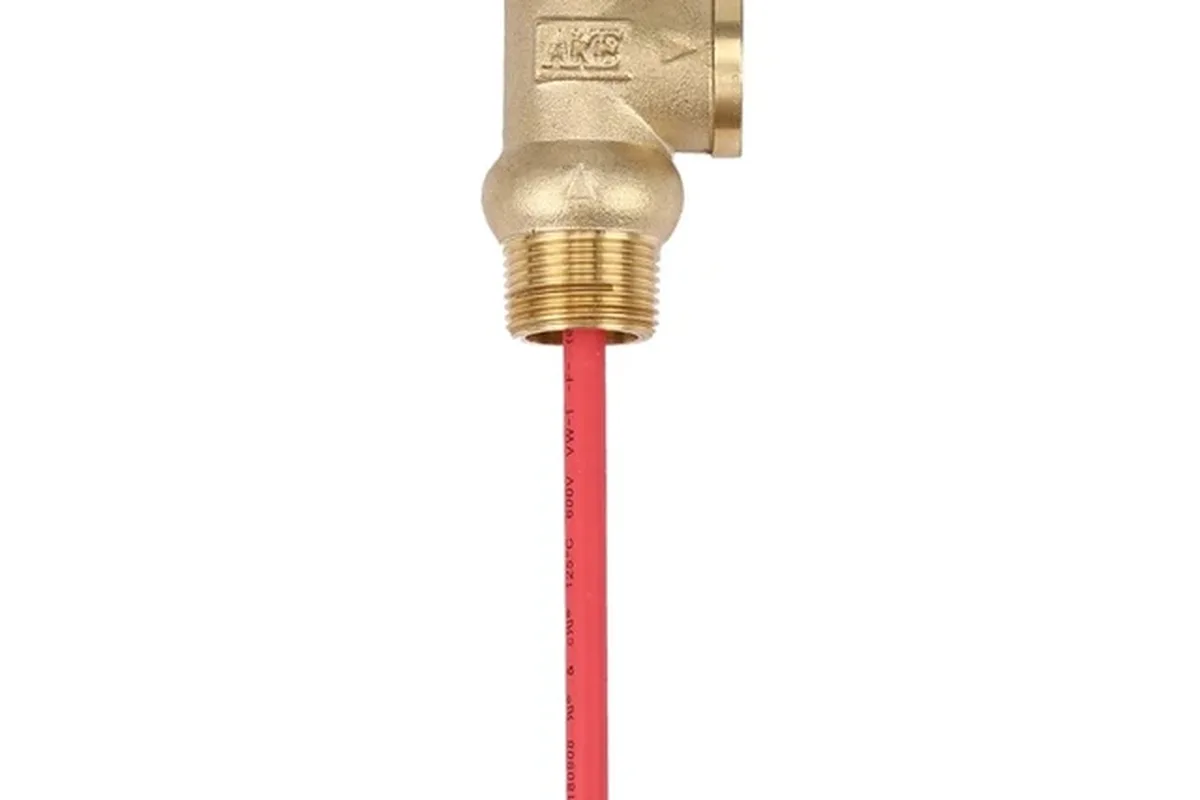
Of every component on your water heater, the temperature-pressure relief valve — the TPR valve — is the one that exists purely to protect your family. If tank temperature or pressure ever climbs to dangerous levels, this small brass valve opens and vents the excess before the tank can rupture. That is why a dripping, corroded, or seized TPR valve is never just a nuisance drip: it is a compromised safety device. TPR valve replacement in Diamond Bar, CA 91765 is a focused, affordable service, but it must be done right — correct pressure and temperature ratings, proper discharge piping, and a diagnosis of why the old valve was dripping in the first place. Our team replaces TPR valves on gas and electric heaters across Diamond Bar, and every replacement includes pressure testing and a full safety inspection. Never cap, plug, or ignore a leaking TPR valve. Call (833) 713-2101 and let us make your heater safe again.
Why the TPR Valve Matters More Than Any Other Part
To understand why the TPR valve commands so much respect, consider what it guards against. A tank water heater is a sealed pressure vessel full of superheated water. Under normal conditions the thermostat and the household pressure keep everything in a safe envelope — but thermostats fail, and when one sticks closed, the burner or elements keep heating with no shutoff. Water expands as it heats, pressure climbs, and without a release path, a residential tank can reach pressures that turn it into a genuine explosion hazard. This is not theoretical: ruptured water heaters have launched through roofs. The TPR valve is the engineered last line of defense, set to open at 150 psi or 210 degrees Fahrenheit — beyond any normal operating condition, well before any dangerous one.
Because it is a safety device, the TPR valve is held to standards nothing else on the heater faces. It must be rated for the tank's BTU input and pressure, it must be installed directly on the tank (not on remote piping), and it must discharge through a dedicated pipe that terminates near the floor where scalding discharge cannot spray anyone. Plumbing codes treat these requirements as non-negotiable, and for good reason: a TPR valve with the wrong rating, or one discharging into a capped pipe, is barely better than no valve at all. When we replace a TPR valve in Diamond Bar, matching the rating and verifying the discharge piping are not optional extras — they are the core of the job.
The valve's safety role also explains why its symptoms demand a different response than other drips. A dripping drain valve wastes water; a dripping TPR valve is reporting on pressure or temperature conditions inside your tank. It might be a worn seal — the simple case — or it might be telling you that household pressure is excessive, that thermal expansion has nowhere to go, or that the tank is overheating. Treating every TPR drip as just a bad valve misses the cases where the valve is the only thing standing between your family and a dangerous overpressure event. Our replacement service always investigates the why, because a safety device deserves nothing less.
Why TPR Valves Start Dripping
TPR valves start dripping for a short list of reasons, and sorting them correctly is the whole art of this repair. The simplest is mechanical wear: the valve's internal spring and seat endure years of heat and mineral-laden water, and eventually the seal no longer seats perfectly. Diamond Bar's hard water accelerates this — mineral deposits crust on the seat, preventing full closure, and each manual test of an old valve risks disturbing deposits that keep it from reseating. A valve that starts dripping right after being tested for the first time in years is the classic version of this story.
The more interesting causes are systemic. In homes with a pressure-reducing valve on the main line — common across Diamond Bar — the plumbing becomes a closed system, and heated water's thermal expansion has nowhere to go. Each heating cycle spikes tank pressure, and the TPR valve, doing exactly its job, weeps off the excess. The valve is not defective; it is the messenger, and the message is that the system needs an expansion tank. Similarly, excessive static household pressure — above 80 psi — keeps the valve perpetually near its opening threshold, so minor thermal spikes push it over. A failed or waterlogged expansion tank produces the same symptom: the cushion is gone, and the valve becomes the cushion.
Overheating is the third category and the most urgent. A thermostat stuck closed drives tank temperature upward, and the TPR valve opens on temperature — discharging hot water or steam — to prevent a runaway. If your TPR discharge pipe is hot, or the valve is releasing large volumes rather than dripping, the underlying problem may be temperature control, not the valve at all. Our diagnostic process distinguishes these cases with pressure gauges and temperature checks before any part is replaced, because each cause has a different correct fix: a new valve for wear, an expansion tank for thermal expansion, pressure regulation for high static pressure, or thermostat service for overheating. Replacing the valve without this diagnosis is how homeowners end up with a brand-new valve that drips exactly like the old one.
What Never to Do With a Leaking TPR Valve
There are three things you should never do with a leaking TPR valve, and they all stem from treating a safety device like a plumbing annoyance. First, never cap it, plug it, or pipe its discharge into a sealed drain. This is the most dangerous response possible: it disables the tank's last protection against overpressure, and it is why plumbing codes prohibit it absolutely. A capped TPR valve on a heater with a stuck thermostat is how tanks rupture. No drip is worth that risk — ever.
Second, never ignore a new drip on the assumption that it is minor. A slow drip from a worn seal is minor today, but you cannot tell a worn seal from a pressure problem by looking at the drip. The valve might be weeping because your household pressure has crept to 100 psi, or because the expansion tank failed last month, or because the thermostat is beginning to stick. Each of those underlying conditions worsens with time, and the drip is your early warning. Calling for diagnosis when the drip starts is inexpensive; discovering the underlying problem after it has escalated is not.
Third, never replace the valve yourself just to stop the drip without investigating the cause. Beyond the technical requirements — correct ratings, proper discharge piping — a DIY swap that stops the drip can mask the pressure or temperature problem that caused it, leaving the dangerous condition in place with a shiny new valve hiding it. Professional TPR valve replacement in Diamond Bar includes the pressure testing, expansion tank check, and temperature verification that reveal whether the valve was the problem or the reporter. If your TPR valve is dripping, call (833) 713-2101: we will find out why, fix the actual cause, and leave your heater genuinely safe — not just quiet. That diagnosis-first approach is the difference between a repair that holds and a drip that returns, and it is why our TPR service includes pressure testing as standard rather than as an extra.
Our TPR Valve Replacement Service
Our TPR valve replacement service begins where it should: with diagnosis. We test household static pressure, check for thermal expansion effects, assess the expansion tank's charge if one is present, and verify the tank's temperature against the thermostat setting. Only when we know whether the old valve failed from wear or was responding to system conditions do we proceed — because the repair plan differs. A worn valve gets replaced; a pressure problem gets its pressure solution plus the valve; an overheating tank gets thermostat service plus the valve. You approve the complete plan before any work starts.
The replacement itself follows strict standards. The new valve is rated to match your tank's specifications — correct psi, correct temperature, correct BTU capacity — not a generic one-size substitute. It threads directly into the tank port with proper sealant, and the discharge pipe is verified or corrected: full-size pipe, no reductions, no caps, no valves in the line, terminating within six inches of the floor where discharge cannot scald anyone or damage the home. These details are code requirements, not preferences, and we treat them as such on every job.
After installation, we test the new valve's operation with a controlled lift of the test lever — confirming it opens freely and, crucially, reseats completely — then bring the heater through a heating cycle while monitoring pressure. The surrounding system gets a final review: connections checked, pressure confirmed in the safe range, expansion control verified functional. You are left with a safety device you can trust, an understanding of why the old one was dripping, and the system corrections to prevent a repeat. We record the installation date for your records, so future testing follows the valve's actual age rather than guesswork. For TPR valve replacement done to the standard your family's safety deserves, call (833) 713-2101.